
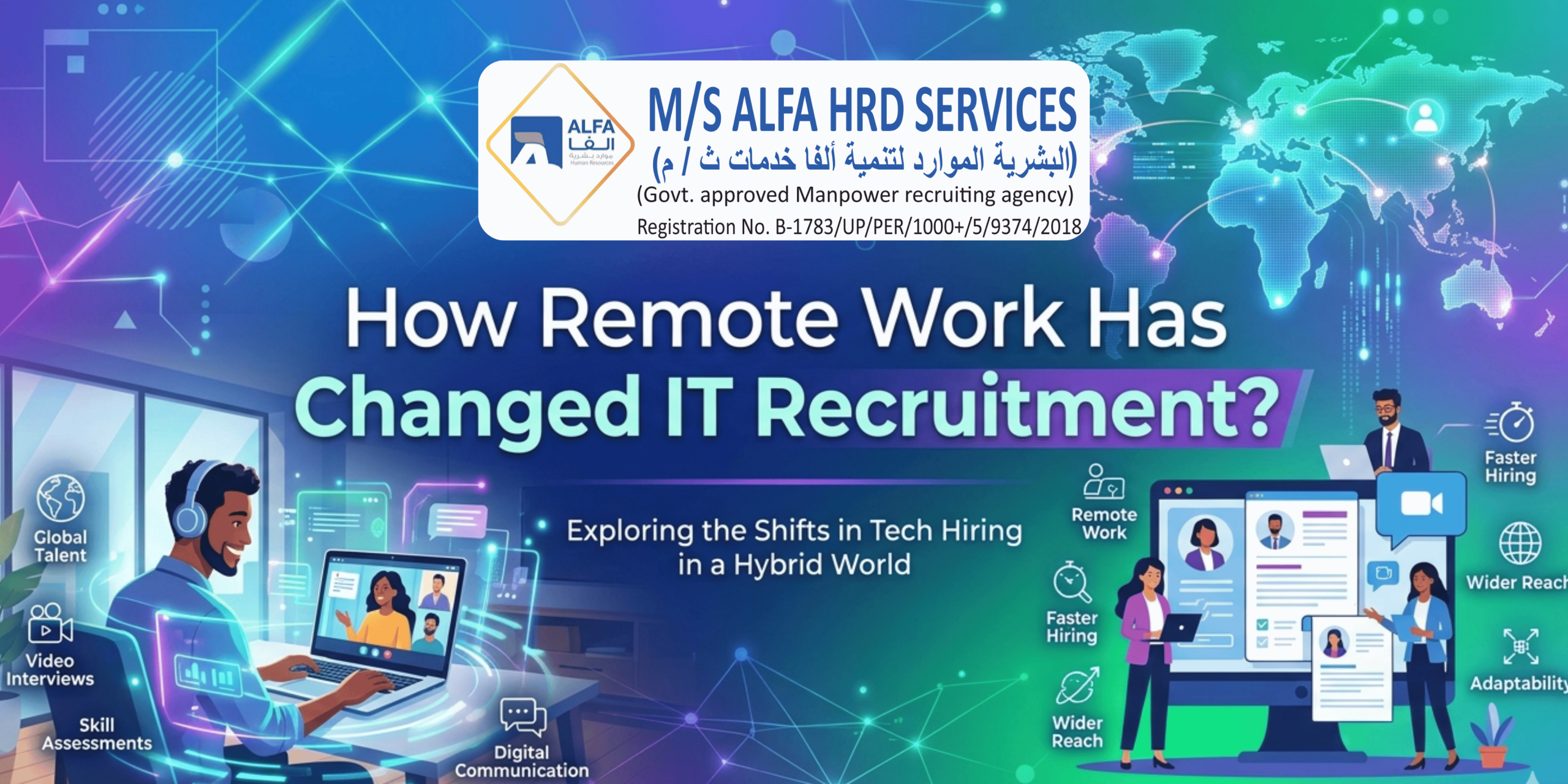
Introduction to Remote Work in IT
Evolution of Work Culture
The way we work today looks nothing like it did a decade ago. Back then, IT professionals were expected to commute to offices, sit at desks for fixed hours, and collaborate face-to-face. Fast forward to today, and the concept of “work” has become far more fluid. Remote work has transformed from a rare perk into a standard expectation, especially in the IT industry. Companies are no longer bound by geography, and employees are no longer tied to a physical office.
Think about it like this – work used to be a place you went to. Now, it’s something you do. This shift has fundamentally altered how organizations approach hiring. Instead of focusing on proximity, employers now prioritize flexibility, digital communication skills, and self-discipline. The IT sector, being inherently digital, naturally led this transformation, paving the way for other industries to follow.
This evolution didn’t just happen overnight. It was driven by years of technological progress, cultural shifts, and changing employee expectations. Today’s workforce values autonomy and work-life balance more than ever, and remote work delivers exactly that. For recruiters, this means adapting to a new mindset—one that values output over hours and results over presence.
Rise of Remote-First Organizations
Remote-first companies are no longer outliers – they are becoming the norm in the IT landscape. These organizations are designed from the ground up to operate without a centralized office. Unlike traditional companies that “allow” remote work, remote-first businesses build their entire infrastructure around distributed teams.
This shift has had a profound impact on recruitment strategies. Hiring managers now design roles that are location-agnostic, meaning candidates can work from anywhere in the world. This approach not only widens the talent pool but also creates a more inclusive hiring environment. For example, professionals from smaller cities or even different countries can now compete for roles that were once limited to major tech hubs.
From a recruiter’s perspective, this means rethinking everything – from job descriptions to onboarding processes. It’s no longer about filling a seat in an office; it’s about finding the best talent regardless of location. Remote-first organizations also tend to emphasize asynchronous communication, meaning employees don’t need to be online at the same time. This further expands hiring possibilities across time zones.
Read Related – Sources of Recruitment – Internal and External Sources in HRM
Key Drivers Behind Remote Work Adoption
Technological Advancements
Technology has been the backbone of remote work adoption. Without tools like cloud computing, video conferencing, and project management software, remote work simply wouldn’t be possible at scale. Platforms like collaboration tools, version control systems, and cloud-based infrastructure have made it seamless for IT teams to work from different parts of the world.
Recruitment has also benefited from these advancements. Hiring processes that once took weeks can now be completed in days. Recruiters can screen candidates, conduct interviews, and even onboard new hires entirely online. AI-powered tools can analyze resumes, assess skills, and even predict candidate success, making the process faster and more efficient.
What’s interesting is how these tools have shifted expectations. Candidates now expect a smooth, digital-first hiring experience. Slow, manual processes can turn away top talent. For recruiters, staying updated with the latest technology is no longer optional—it’s essential.
Global Events and Workforce Shifts
Major global events have accelerated the adoption of remote work in ways no one could have predicted. Companies that were once hesitant were forced to adapt quickly, and many realized that remote work was not only feasible but also beneficial. Productivity levels remained stable – or even improved – in many cases, challenging long-held beliefs about office-based work.
This sudden shift created a ripple effect in IT recruitment. Organizations had to quickly scale remote hiring processes, often hiring candidates they had never met in person. This required a new level of trust and reliance on digital assessment methods. It also pushed companies to rethink their policies around work hours, communication, and performance evaluation.
For job seekers, this opened up a world of opportunities. Suddenly, they were no longer limited to local job markets. This shift has permanently changed expectations on both sides of the hiring equation.
Impact on Talent Pool Expansion
Access to Global Talent
One of the biggest advantages of remote work is access to a global talent pool. Companies are no longer restricted to hiring within a specific city or country. This means they can find the best talent for the job, regardless of location. For IT roles, where skills are often more important than physical presence, this is a game-changer.
Imagine a company in India hiring a developer from Eastern Europe or a cybersecurity expert from South America. This level of flexibility was almost unheard of before remote work became mainstream. It not only improves the quality of hires but also fosters innovation by bringing together diverse perspectives.
From a recruitment standpoint, this means dealing with a much larger and more competitive pool of candidates. Recruiters must now think globally, understand different markets, and navigate international hiring regulations. While this adds complexity, the benefits far outweigh the challenges.
Diversity and Inclusion Benefits
Remote work has also made IT recruitment more inclusive. By removing geographical barriers, companies can tap into underrepresented talent pools. This includes individuals from rural areas, people with disabilities, and those who may not have been able to relocate for work.
Diversity is no longer just a buzzword – it’s a competitive advantage. Teams with diverse backgrounds tend to be more innovative and better at problem-solving. Remote work makes it easier to build such teams by providing equal opportunities to candidates from different walks of life.
Recruiters now play a crucial role in promoting diversity. This involves creating inclusive job descriptions, using unbiased hiring tools, and ensuring fair evaluation processes. The shift to remote work has made these practices not just possible, but necessary.
Changes in Hiring Strategies
Skills Over Location
In the remote work era, skills have taken center stage. Employers are more interested in what candidates can do rather than where they are located. This has led to a rise in skills-based hiring, where practical assessments and real-world tasks are used to evaluate candidates.
This approach benefits both employers and job seekers. Companies get a clearer picture of a candidate’s abilities, while candidates have a fairer chance to showcase their skills. It also reduces biases that may arise from factors like location, education, or previous employers.
Recruiters must now design hiring processes that accurately assess skills. This includes coding tests, project-based assignments, and technical interviews. The focus is on outcomes rather than credentials, which aligns perfectly with the remote work philosophy.
Shift to Project-Based Hiring
Another noticeable trend is the shift towards project-based hiring. Instead of hiring full-time employees for long-term roles, companies are increasingly hiring freelancers or contract workers for specific projects. This provides flexibility and allows organizations to scale their workforce based on demand.
For IT recruitment, this means dealing with a more dynamic workforce. Recruiters must be able to quickly identify and onboard talent for short-term projects. This requires a different approach compared to traditional hiring, with a greater emphasis on speed and efficiency.
Evolution of Recruitment Tools and Platforms
AI and Automation in Hiring
Artificial intelligence has revolutionized recruitment in the remote work era. AI tools can screen resumes, match candidates to job roles, and even conduct initial interviews. This not only saves time but also improves accuracy by reducing human bias.
Automation has also streamlined repetitive tasks such as scheduling interviews and sending follow-up emails. This allows recruiters to focus on more strategic activities, such as building relationships with candidates and improving employer branding.
However, it’s important to strike a balance. While AI can enhance efficiency, human judgment is still crucial in making final hiring decisions. The goal is to use technology as a tool, not a replacement.
Virtual Interviews and Assessments
Virtual interviews have become the norm in IT recruitment. Video calls, online coding platforms, and digital assessment tools have replaced traditional face-to-face interviews. This has made the hiring process faster and more accessible.
Candidates can now attend interviews from the comfort of their homes, reducing stress and saving time. For recruiters, it means being able to interview more candidates in less time. However, it also requires strong communication skills and the ability to evaluate candidates without physical cues.
Employer Branding in a Remote Era
Importance of Digital Presence
In a remote world, a company’s online presence is its first impression. Candidates often research potential employers through websites, social media, and online reviews. A strong digital presence can significantly impact recruitment success.
Companies must showcase their culture, values, and work environment through digital channels. This includes sharing employee stories, highlighting achievements, and maintaining an active social media presence. Employer branding has become more important than ever.
Company Culture Beyond Office Walls
Building a strong company culture without a physical office is challenging but not impossible. Remote organizations must find new ways to foster collaboration, engagement, and a sense of belonging. This includes virtual team-building activities, regular check-ins, and transparent communication.
Recruiters play a key role in conveying this culture to potential candidates. They must ensure that candidates understand what it’s like to work remotely for the organization and what values the company stands for.
Read Related – Work and Study Abroad: Everything You Need to Know
Challenges in Remote IT Recruitment
Communication Barriers
Remote work relies heavily on digital communication, which can sometimes lead to misunderstandings. Without face-to-face interactions, it’s harder to interpret tone and body language. This can affect both the hiring process and team collaboration.
Recruiters must ensure clear and consistent communication throughout the hiring process. This includes setting expectations, providing timely feedback, and maintaining transparency.
Time Zone Differences
Hiring globally comes with the challenge of managing different time zones. Scheduling interviews and coordinating team activities can become complicated. However, with proper planning and flexible schedules, this challenge can be managed effectively.
Compensation and Salary Trends
Location-Based Pay vs Global Pay
One of the biggest debates in remote work is how to structure salaries. Some companies offer location-based pay, while others provide a standard global salary. Each approach has its pros and cons.
| Approach | Advantages | Disadvantages |
| Location-Based Pay | Cost-effective, aligned with local markets | May cause dissatisfaction |
| Global Pay | Fair and consistent | Higher costs for companies |
Cost Optimization for Companies
Remote work allows companies to reduce overhead costs such as office space and utilities. These savings can be reinvested in hiring better talent or improving employee benefits.
Future Trends in Remote IT Hiring
Hybrid Models
While remote work is here to stay, hybrid models are gaining popularity. These models combine remote and in-office work, offering flexibility while maintaining some level of physical interaction.
Gig Economy Growth
The gig economy is expected to grow significantly in the IT sector. More professionals are opting for freelance or contract work, and companies are adapting by offering more flexible opportunities.
Conclusion
Remote work has completely reshaped IT recruitment, turning it into a global, technology-driven, and highly dynamic process. Companies are no longer limited by geography, and candidates have more opportunities than ever before. This shift has brought both opportunities and challenges, requiring recruiters—and especially IT recruitment agencies in India – to adapt quickly and continuously evolve their strategies to stay competitive in a global talent market.
The focus has shifted from where people work to how they work. Skills, flexibility, and adaptability have become the key factors in hiring decisions. As technology continues to advance and work cultures evolve, IT recruitment agencies in India will continue to play a crucial role in connecting global employers with skilled professionals, ensuring that IT recruitment keeps transforming into an even more dynamic and exciting space to watch.
FAQs
1. How has remote work affected IT hiring speed?
Remote work has significantly increased hiring speed by enabling virtual interviews, automated screening, and faster communication, reducing the overall recruitment cycle.
2. Is remote IT recruitment more cost-effective?
Yes, companies save on office costs and can hire talent from regions with lower salary expectations, making it more cost-efficient.
3. What skills are important for remote IT jobs?
Key skills include technical expertise, communication, time management, and the ability to work independently.
4. Are remote jobs here to stay in IT?
Absolutely. Remote work has become a permanent part of the IT industry, with many companies adopting hybrid or fully remote models.
5. How can companies attract remote IT talent?
By offering competitive salaries, flexible work arrangements, strong employer branding, and a positive remote work culture.

